Moroccan Culture: Languages, Crafts and Traditions to Experience
August 5, 2023 · 2 min read
Moroccan culture is a layered mix of Amazigh (Berber), Arab, Andalusian and, more recently, French influences. You see it in the languages people speak, the crafts sold in the medinas and the everyday rituals of hospitality. This guide covers the parts that are easiest to experience on a trip. For etiquette and customs, see our companion guide to Moroccan culture and traditions.
Languages: Arabic and Amazigh
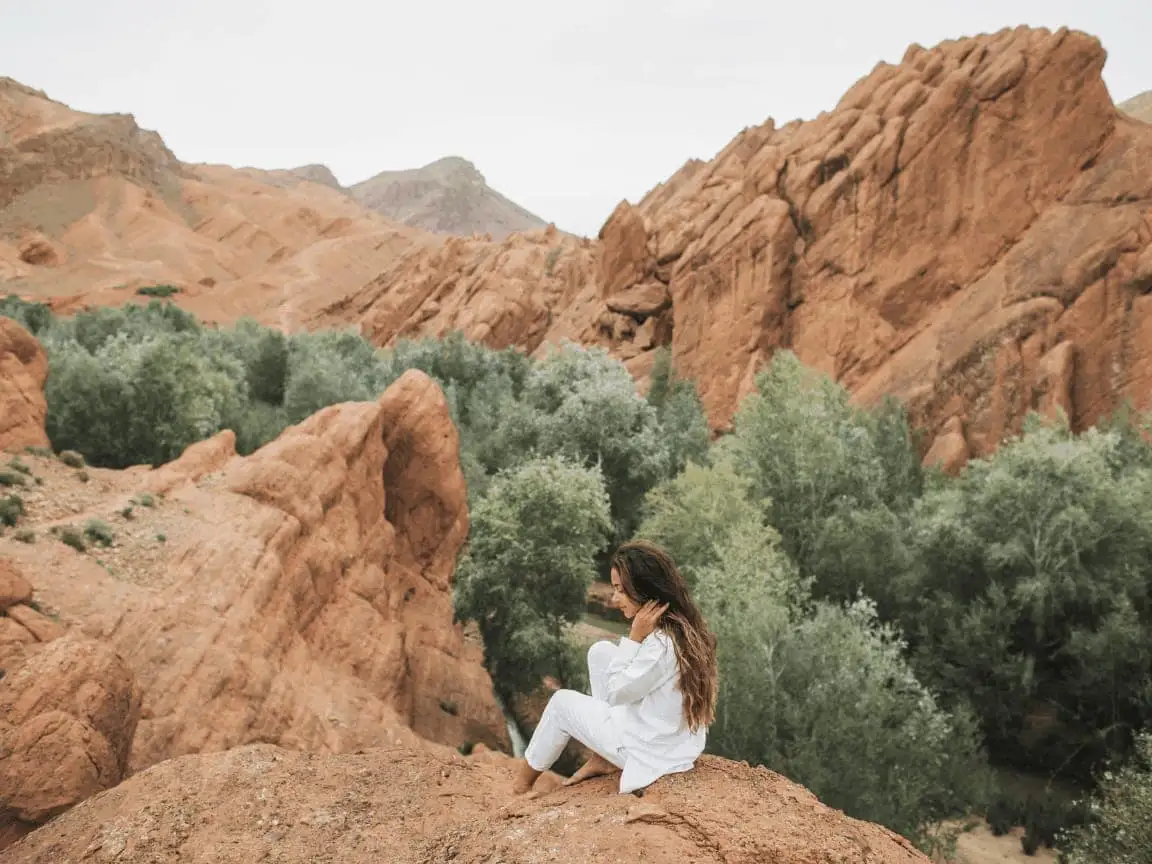
Tamazight, the Amazigh language, became an official language alongside Arabic in Morocco's 2011 constitution. Implementation has been gradual, so you will hear Arabic, Amazigh languages and French in different settings depending on the region. Amazigh culture is strongest in the Atlas Mountains, the south and the desert fringe. The Amazigh New Year, Yennayer, was made an official paid national holiday by a royal decree in 2023.
Crafts That Have Survived
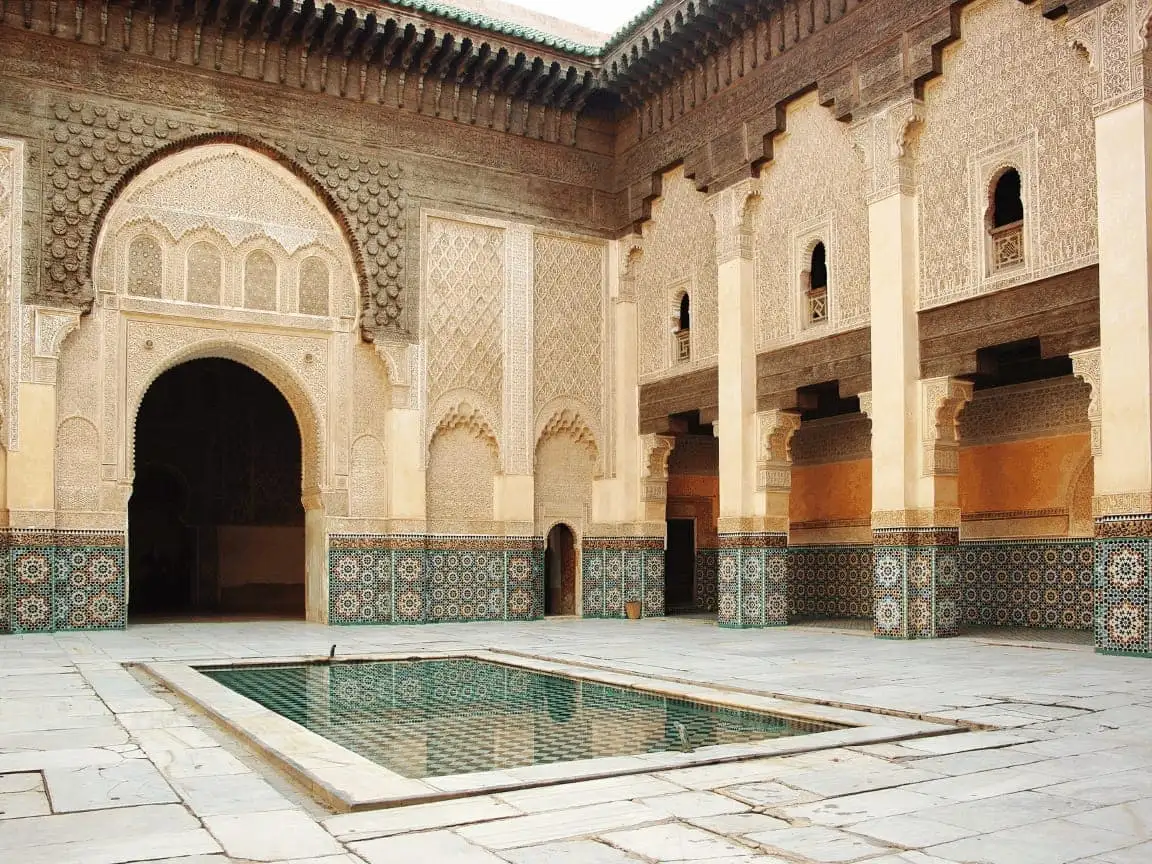
Zellige — hand-cut glazed tilework — is the signature of Moroccan architecture, and its roots are usually dated to about the 10th or 11th century. You can see it on mosque walls, in fountains and in the courtyards of riads. Pottery is a living trade too: Fes is known for its potters, and Safi is considered Morocco's ceramics capital, with a whole quarter of workshops and kilns.
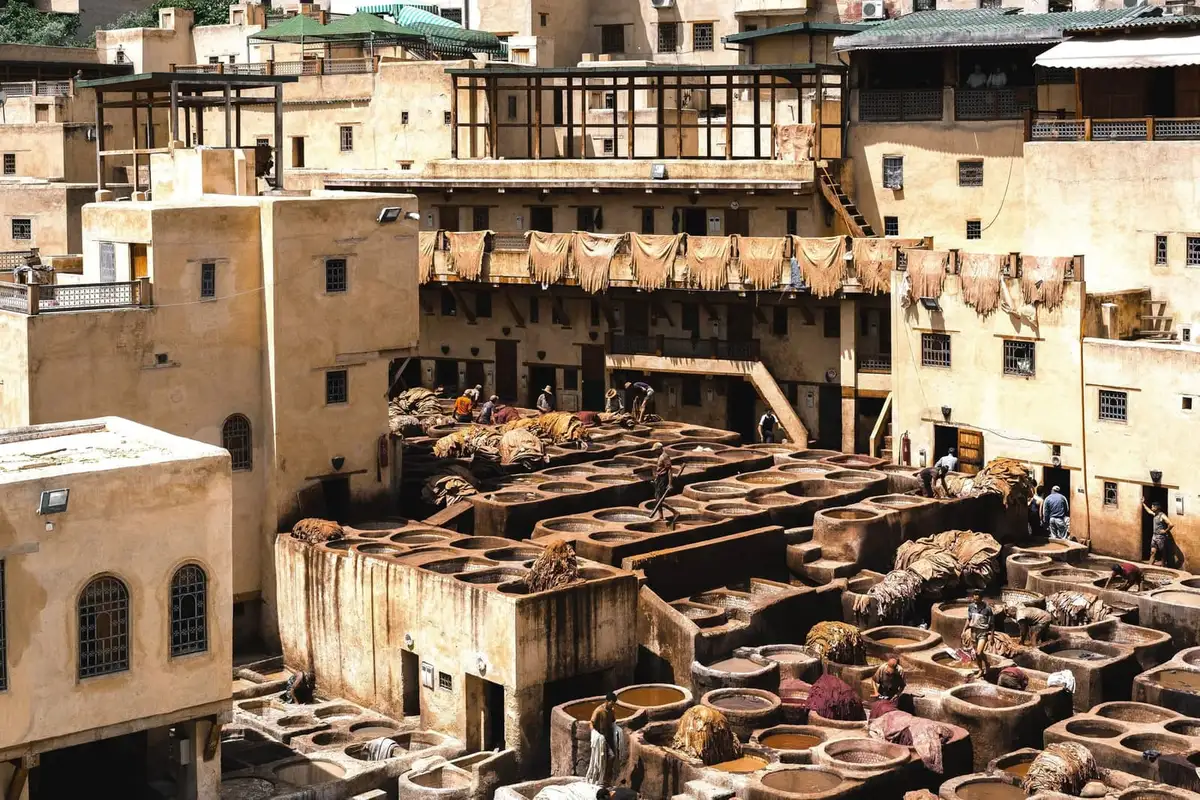
Carpets are another living tradition. In rural areas they are often hand-woven by Amazigh women, using wool and plant-based dyes, and village designs tend to be more varied than city styles. In Fes, leather tanning continues in the old quarter at the Chouara tannery, which you can see from the surrounding terraces — see our Fes guide.
Hospitality and Food
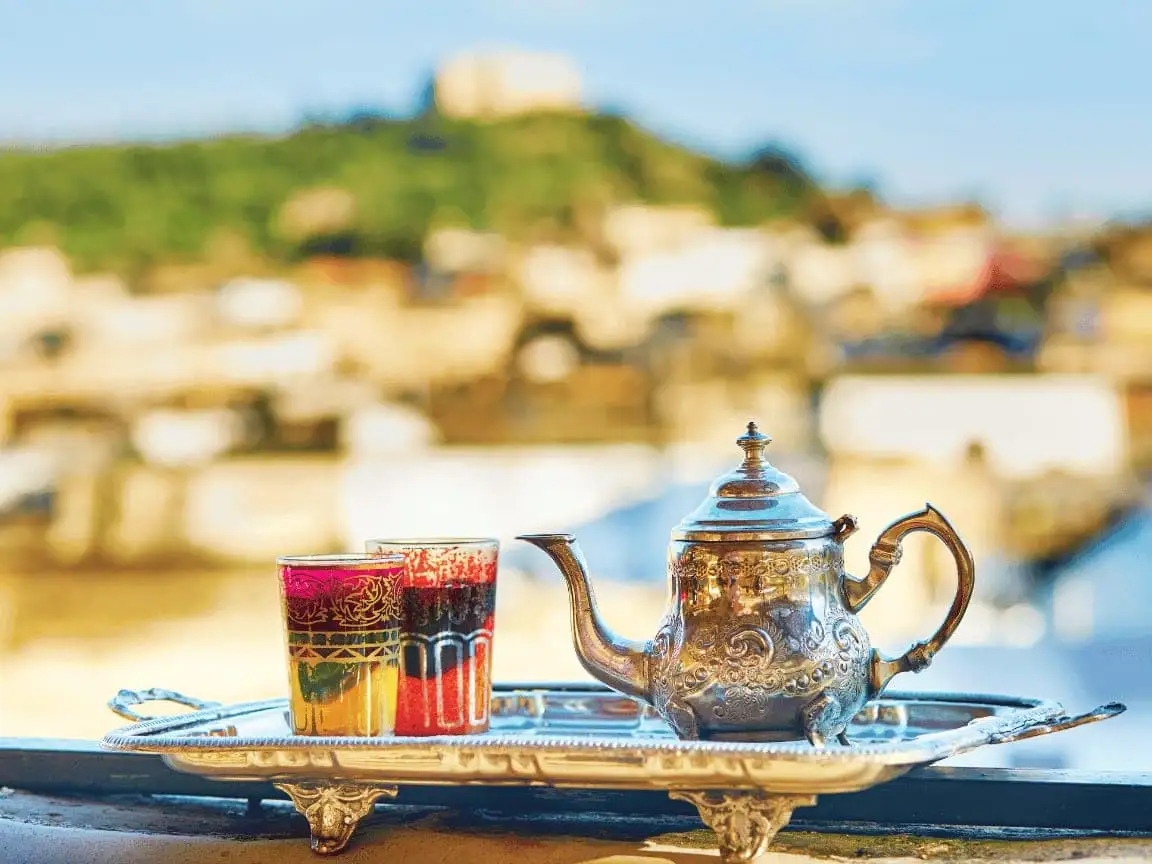
Hospitality is the culture's most visible side: being offered mint tea is a standard part of welcoming a guest or closing a deal in a shop. For a closer look at what is on the table, read our guide to Moroccan food and dishes to try.
Where to Experience It
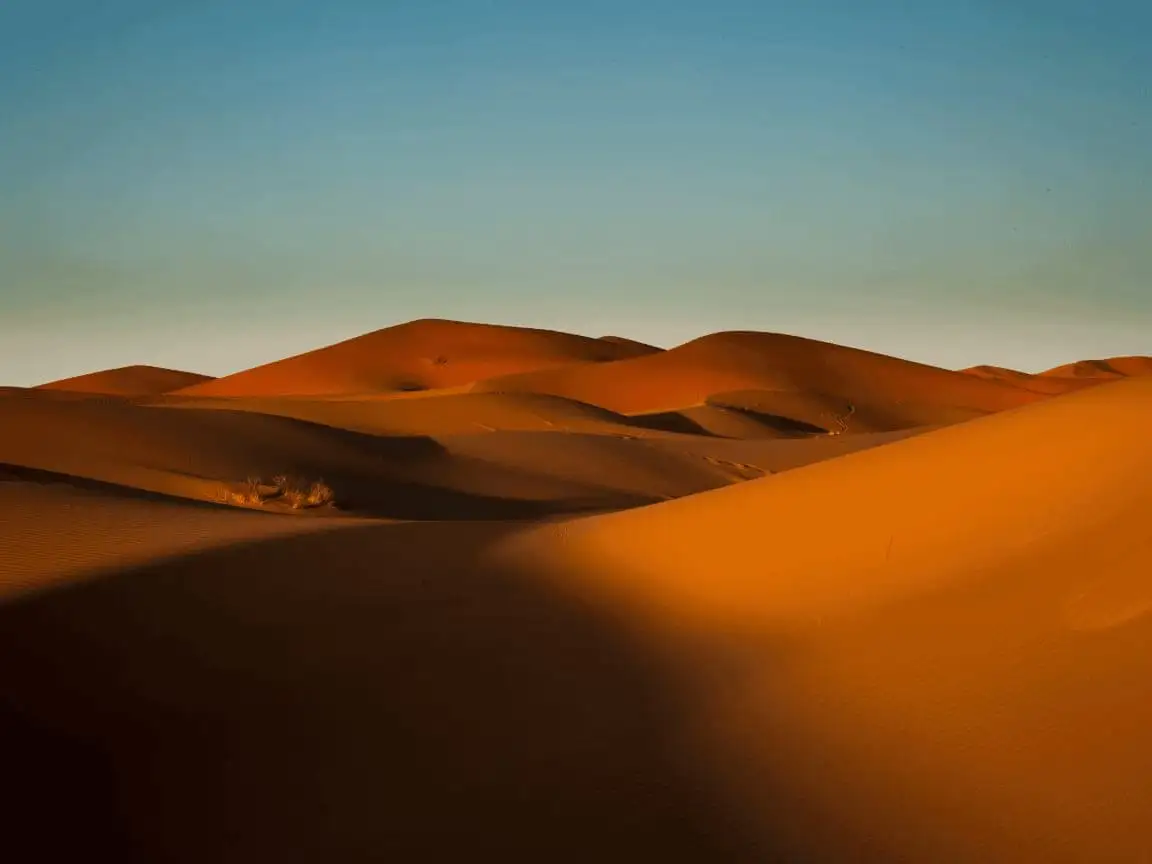
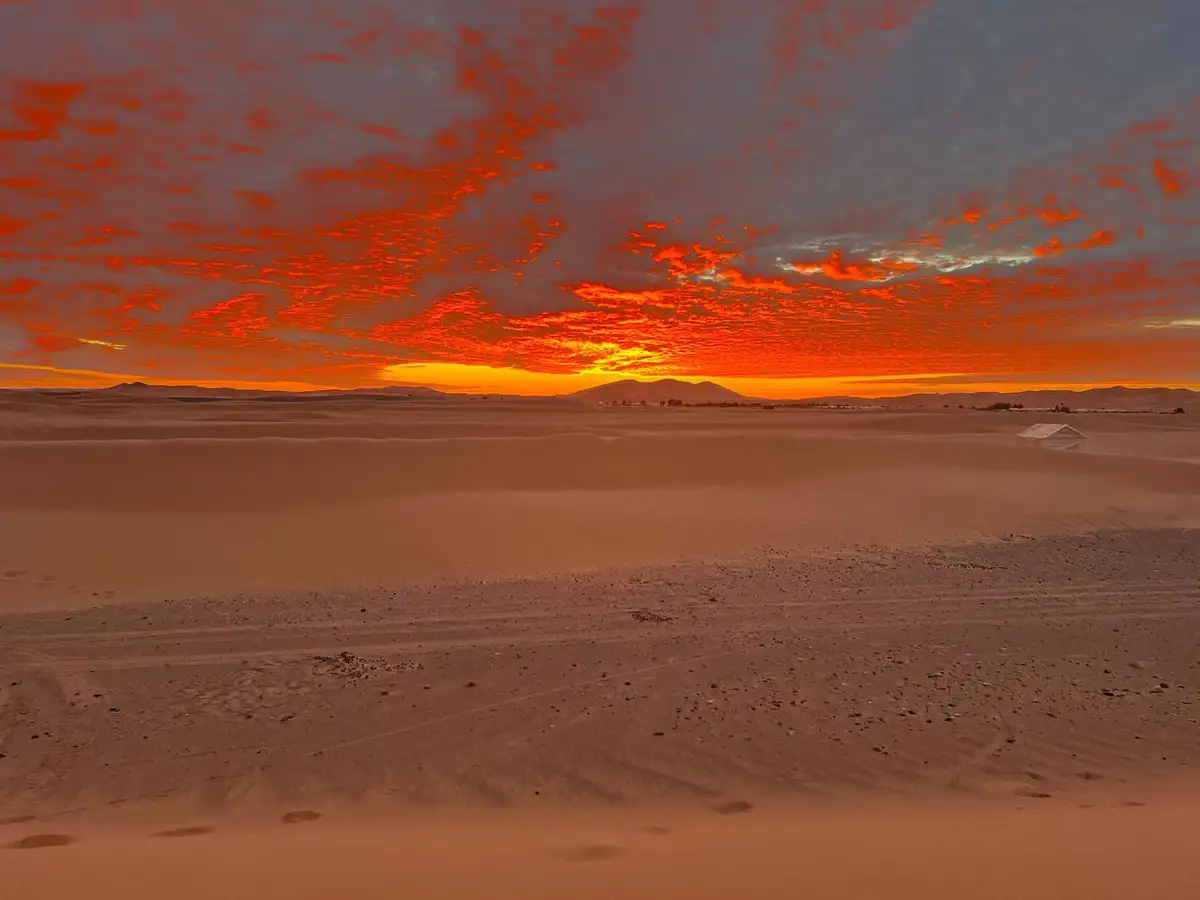
Medinas are the best places to see crafts being made: the souks of Marrakech and the workshops of Fes both repay time with a guide. For Amazigh culture, the Atlas and the Sahara route are the places to look — a night in a desert camp near Merzouga is often where visitors meet it, and the Merzouga guide explains what to expect. When you are ready to plan, browse our tours or build a custom itinerary.
Suggested Tours
Suggested Blogs
Frequently Asked Questions
Ready to Experience Morocco?
Let our local experts design a private, tailor-made Morocco tour built around what you actually want to see.